





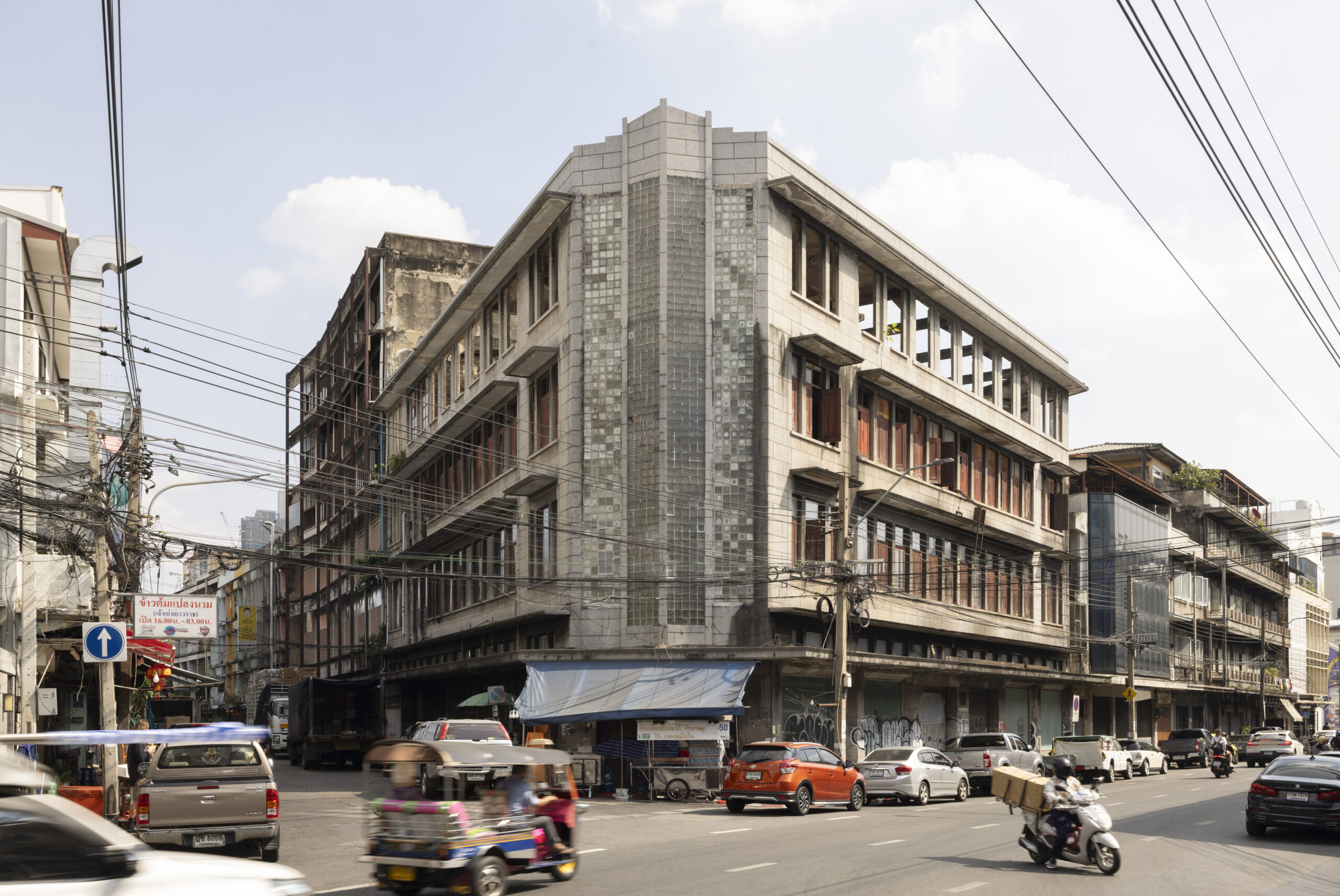
Bangkok Kunsthalle – Photo by Andrea Rossetti – Courtesy of Khao Yai Art
If the Global South has become an increasingly prominent reference point in contemporary international art discourse, Bangkok is now among its most closely watched cities. What distinguishes the Thai capital is not simply its growing visibility, but the extent to which inherited, Western-centred models fail to map neatly onto its local conditions. From the use of exhibition spaces to institutional logic, Bangkok demonstrates a strong sense of place, a high degree of flexibility and, crucially, a mature and clear-eyed awareness of how it positions itself within the international art world.
Founded last year, Kunsthalle Bangkok quickly attracted an outsized level of global attention. Housed in a former factory damaged by fire, the institution’s choice of site alone speaks to the openness and adaptability of Bangkok’s art ecosystem.
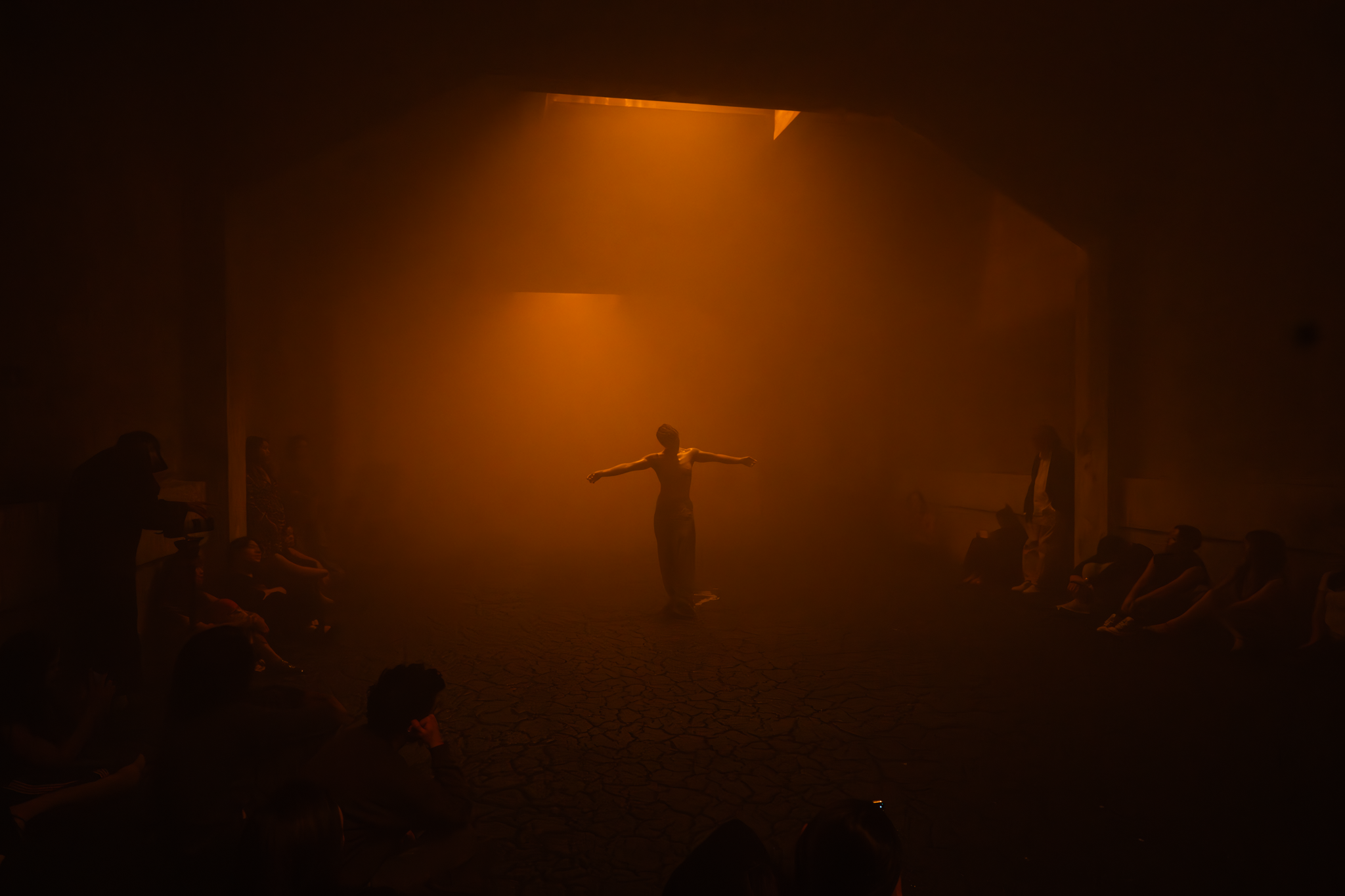
Tosh Basco – From dust to dust – Photo by Puttisin Choojesroom – Courtesy Khao Yai Art
According to Kunsthalle’s co-founder and director, Stefano Rabolli Pansera, Western models that rely on established hierarchies and institutional structures tend to lose their effectiveness in Thailand. In many Western contexts, exhibitions follow a top-down logic: architecture is completed first, exhibitions are conceived afterwards, and meaning is largely predetermined before audiences arrive. In Thailand, by contrast, culture is often shaped by improvisation, fluidity and deeply personal relationships. Kunsthalle deliberately reverses this logic. Art comes first, while architecture and space operate as supports and extensions. Rather than conforming to the conventional “white cube”, the institution functions as a mutable site that brings together history, architectural structure and cultural memory. Spaces are continually reshaped by different users over time, a defining characteristic of Thailand’s contemporary cultural landscape.
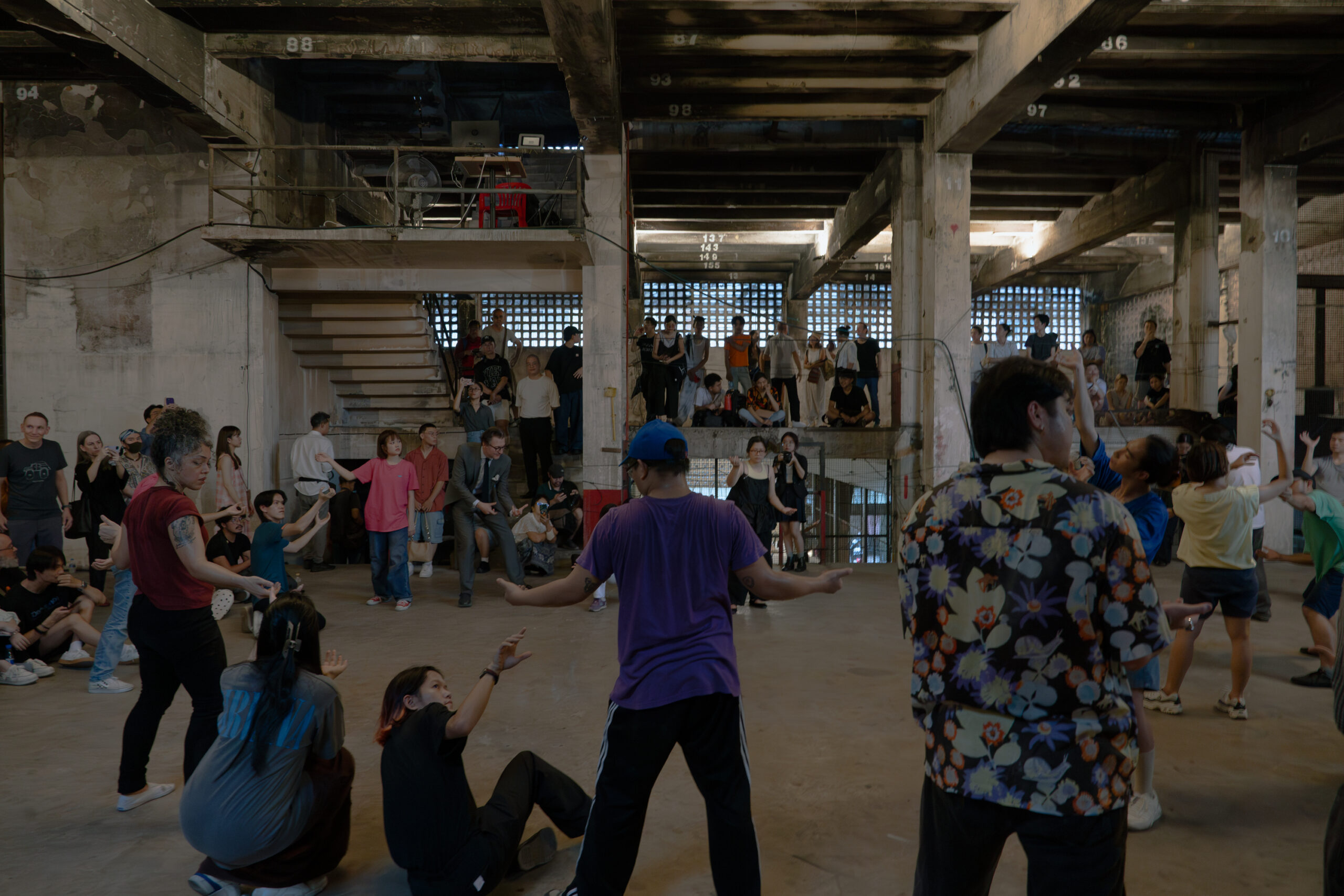
Natalie Brück – Working On The Imaginary Object – Photo by Sivakorn Charoenyothin
This approach, in my view, allows Kunsthalle to operate as more than simply one of the most visible new institutions on the current art scene. It represents an alternative path, defined by vision and conviction, through which artistic practice is continuously tested, developed and sustained within specific spatial and social conditions.
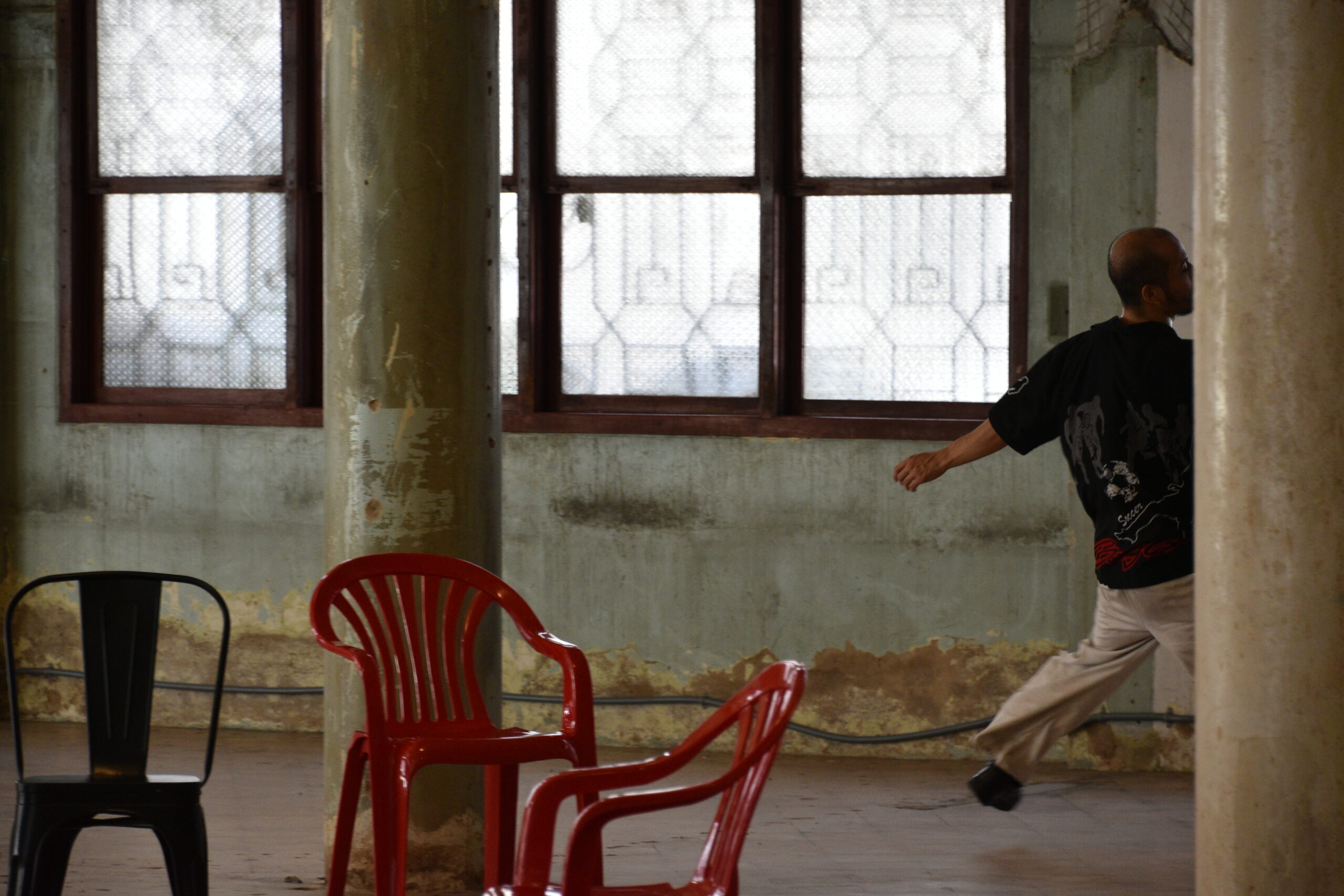
James Gallego Olivo – We don’t have many days – Courtesy of Khao Yai Art
Thailand’s art ecosystem also provides fertile ground for collaboration. Sutima Sucharitakul, founder of NOVA Contemporary, one of Bangkok’s leading galleries, notes that her team co-organised The Engineers, a large-scale site-specific project by Cole Lu, in collaboration with the Bangkok Art Biennale. The Bangkok Art and Culture Centre, she adds, opened its doors generously, allowing artists to work freely on site.
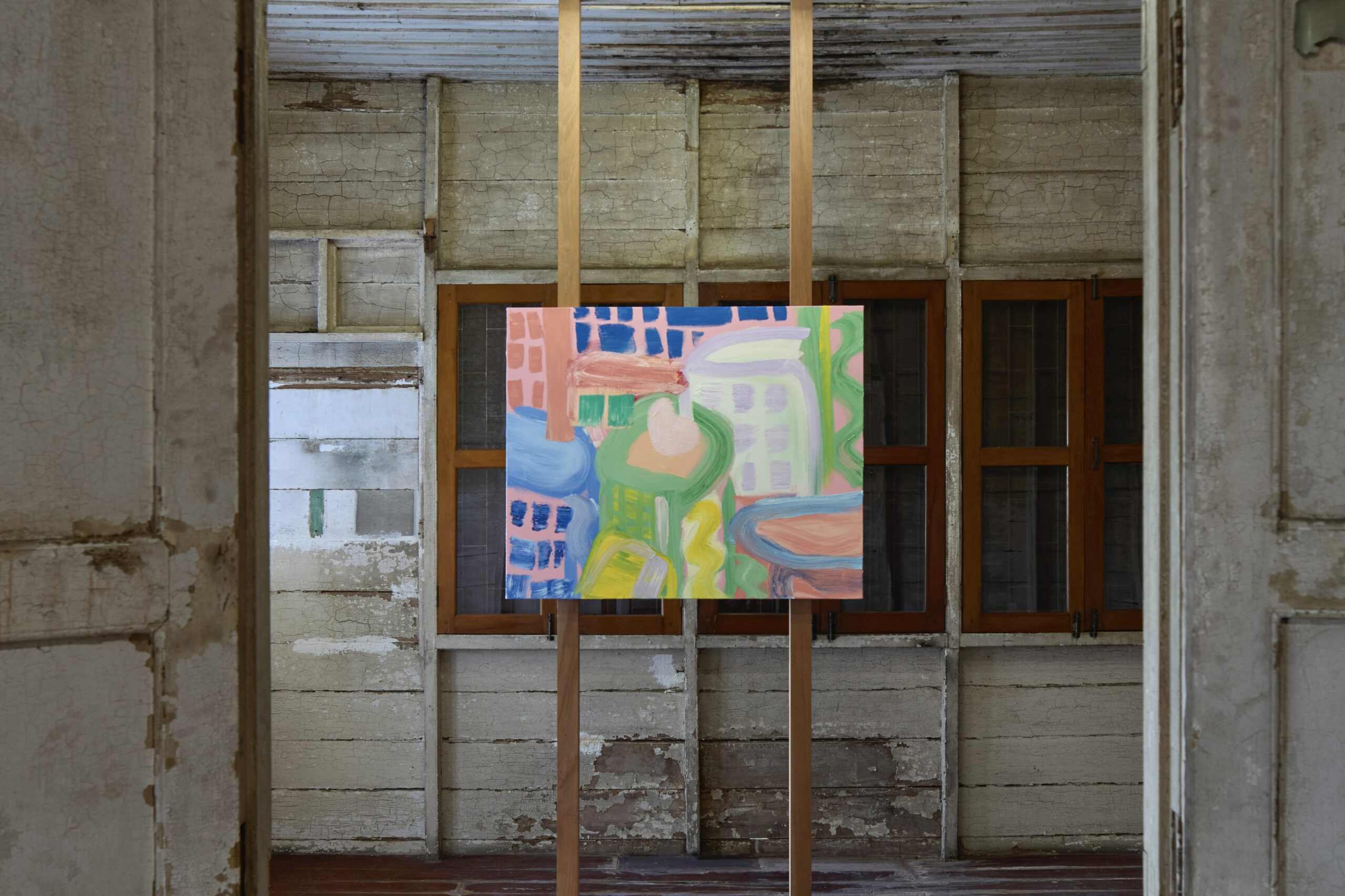
Courtesy the artist and Nova Contemporary © Channatip Chanvipava
This spring, NOVA Contemporary presented I Remember, Therefore I Am, a solo exhibition by Thai artist Channatip Chanvipava, who had previously been based in London, alongside Affinities, a group exhibition reflecting on three decades of contemporary art in Bangkok. Chanvipava’s exhibition unfolded across his ancestral home, Baan Thewes, on the banks of the Chao Phraya River, as well as a historic multi-purpose shophouse in the Bang Rak district. For the artist, returning to Bangkok and working within spaces embedded in neighbourhood history helped bridge the emotional distance accumulated during years away from home.
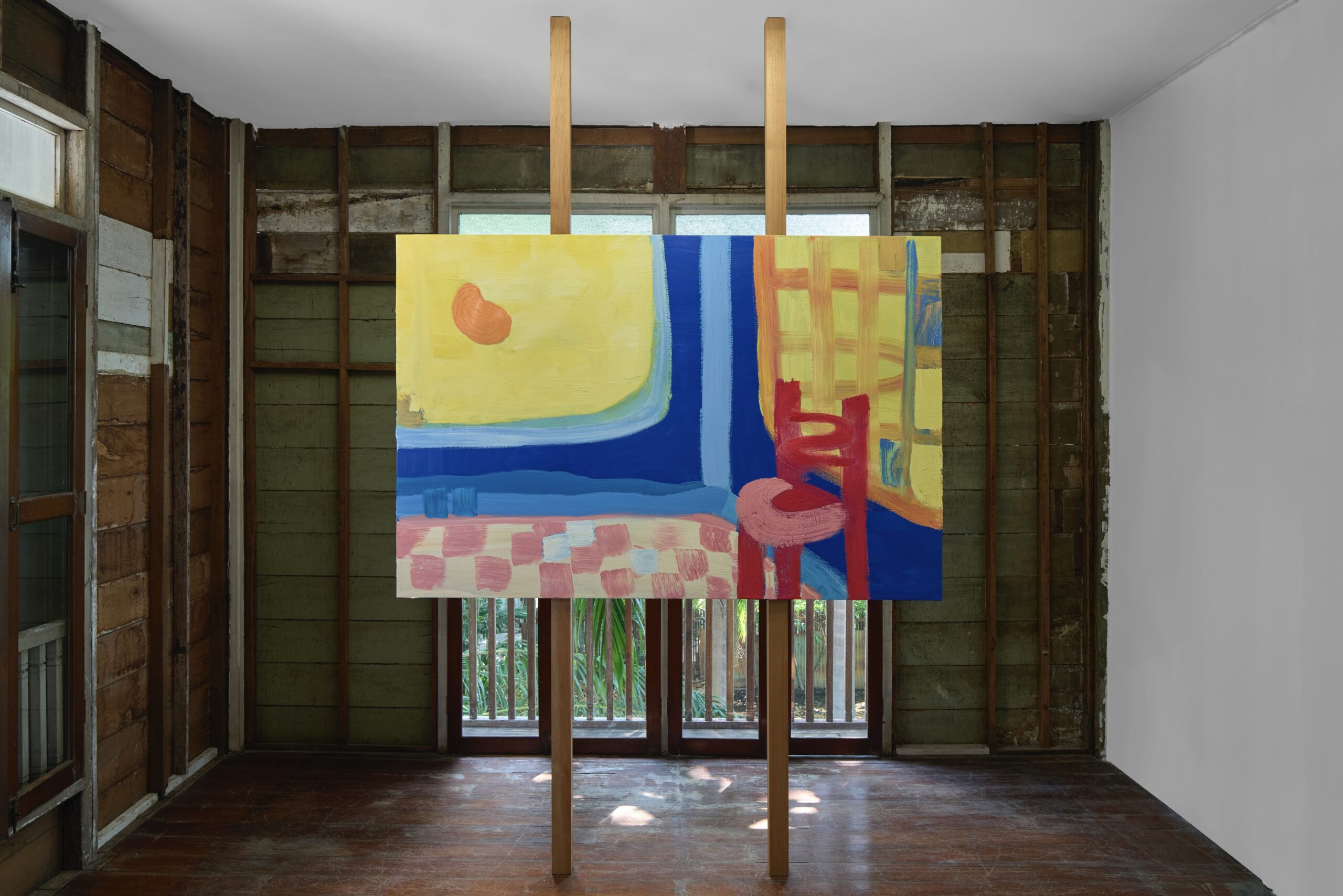
Channatip Chanvipava, Hold Space, 2025, Oil on canvas. 120 x 180 cm. Courtesy the artist and Nova Contemporary © Channatip Chanvipava
The works explore how memory constructs identity and how space acquires meaning. Creating art within specific sites becomes an act of reconnection and recollection. After many years of living and working in London, Chanvipava had not previously explored his place of origin through artistic practice. This temporary return offered a space for introspection, allowing memory to be transformed into a form of sustained reflection. Having observed shifts in the status and international visibility of Thai artists living abroad, he himself chose to relocate back to Bangkok this year.
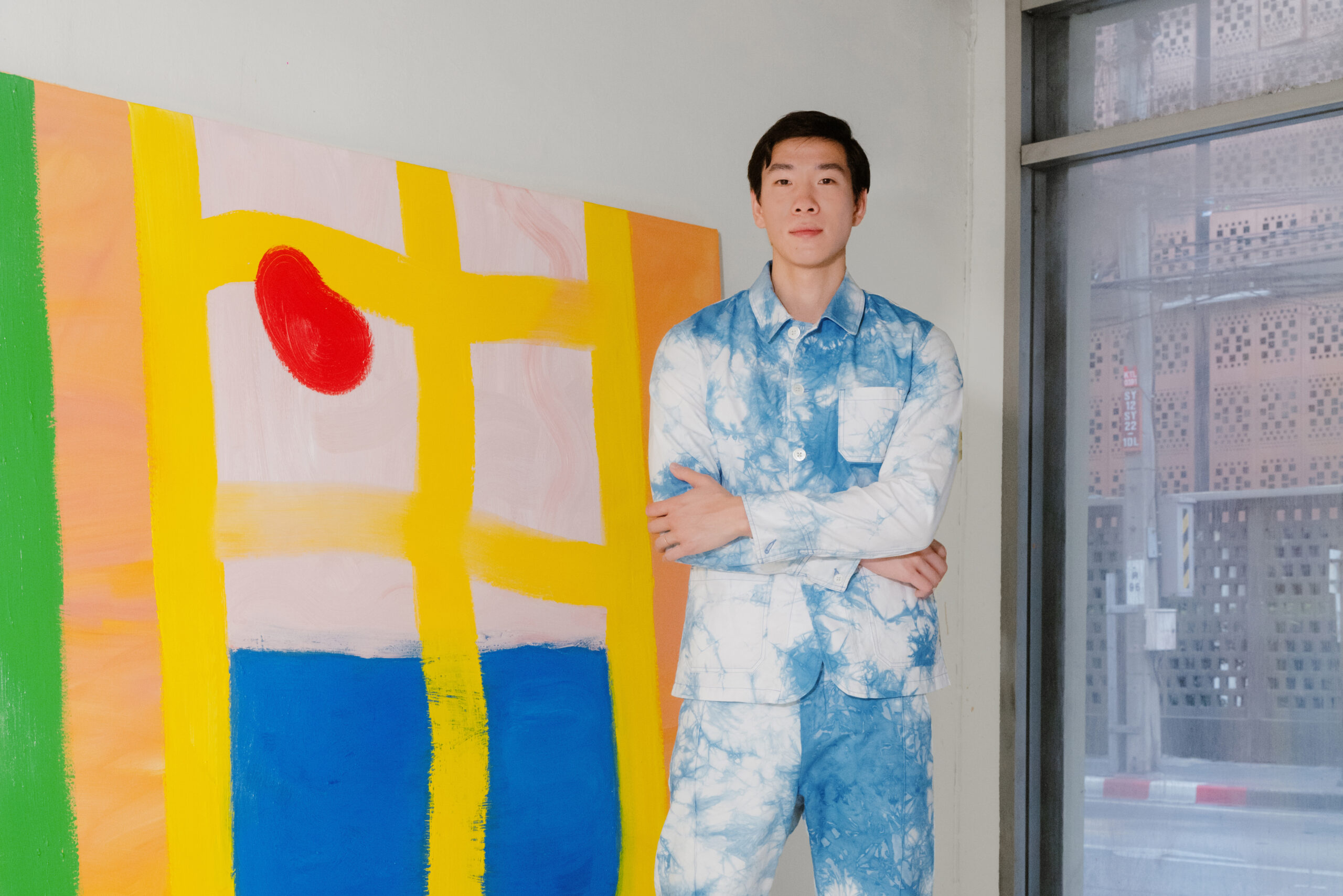
Portrait of Channatip Chanvipava, Photographer: Kanrapee Chokpaiboon, Courtesy of the artist
In London’s mature art market, practices centred on memory, identity and space are often swiftly absorbed into recognisable, and sometimes marketable, thematic labels, facilitating clear positioning and communication. In Bangkok, however, such practices remain in a state of formation. Artists returning to their place of origin and translating personal experience into present-day practice signal more than individual choice. This movement itself reflects the vitality and upward momentum of the city’s art ecosystem.
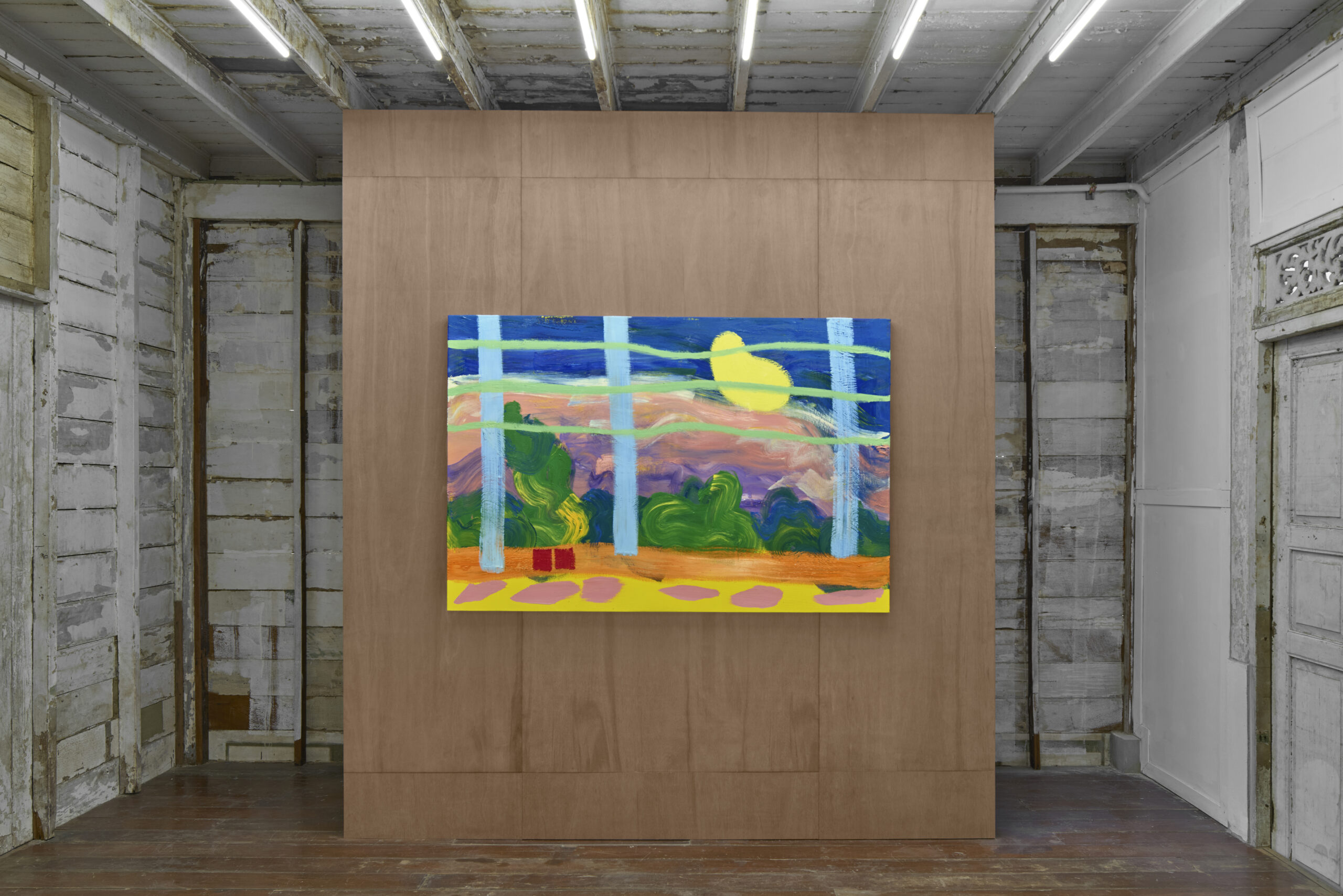
Courtesy the artist and Nova Contemporary © Channatip Chanvipava
Among the city’s emerging institutions, anticipation is also building around Dib Bangkok, founded by Purat Osathanugrah, son of the late collector Petch Osathanugrah. In addition to presenting his father’s private collection, the institution aims to act as a bridge linking Thailand, Southeast Asia and the global art world. Designed by WHY Architecture within a repurposed 1980s industrial building, Dib Bangkok is expected to further enhance the city’s appeal as an art travel destination.
That said, a compelling art ecosystem requires more than galleries and institutions alone. Distinct cultural clusters are equally vital in activating local identity and sustaining cultural tourism. In this respect, Bangkok’s emphasis on place finds its clearest expression in Khao Yai Art Forest, which opened late last year.
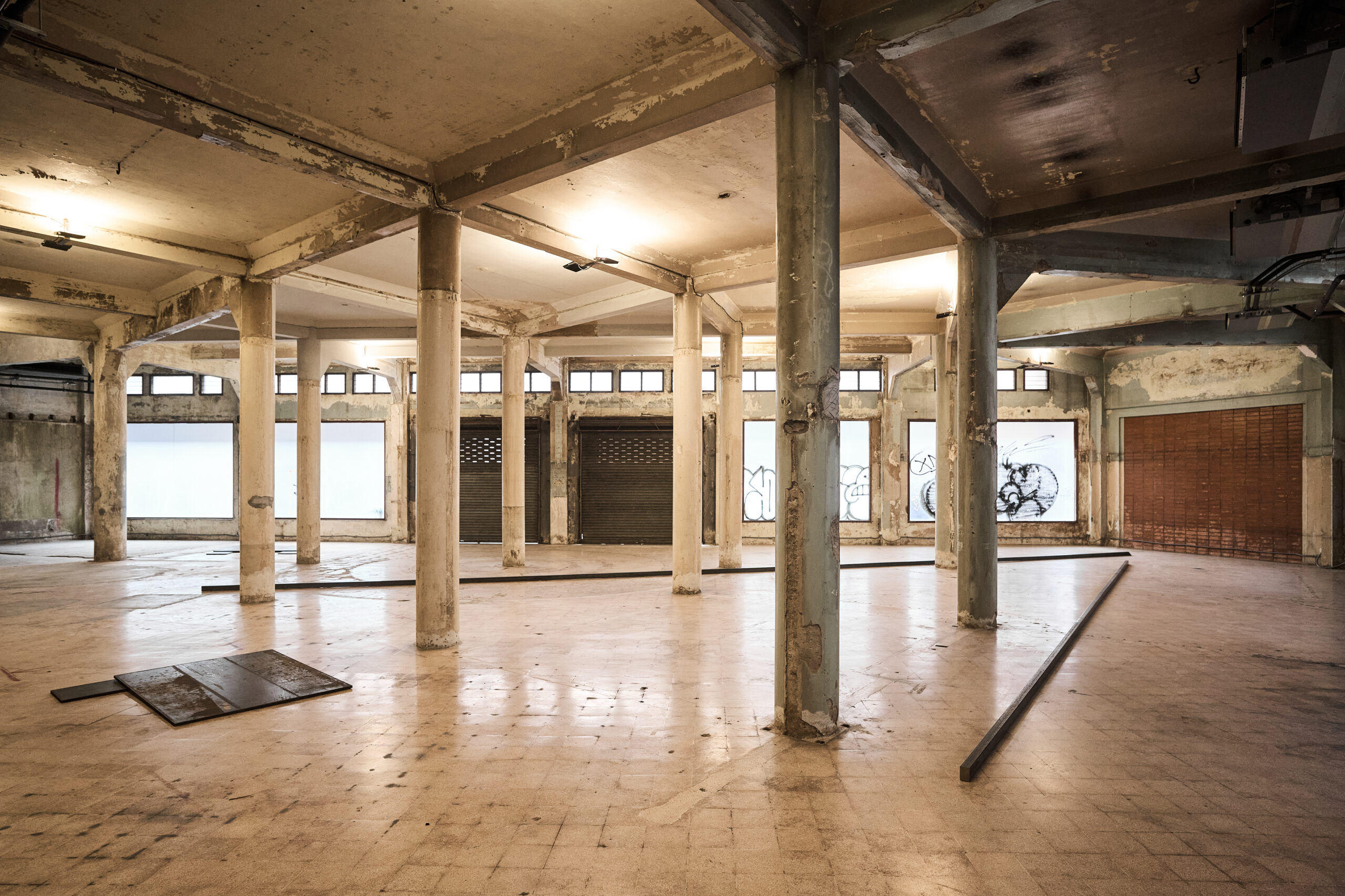
Richard Nonas – Like Nouns Slipping Into Verbs – Photo by Krittawat Atthsis and Puttisin Choojesro
Founded by philanthropist Marisa Chearavanont and directed by Stefano Rabolli Pansera, Khao Yai Art Forest sits around three hours from Bangkok, embedded in a natural landscape that offers conditions unavailable in urban or commercial settings. For Rabolli Pansera, the project is not about exporting familiar Western formats into a rural Thai context, but about allowing a different artistic language to emerge from the place itself.
At Khao Yai, he argues, the point is not to reproduce Western land art in a Thai setting, but to develop a form of site-specific practice shaped by local values and belief systems. “This is not about replicating land art as it developed in the West,” he says. “There, the emphasis was often on monumentality, on conquering space. What we are doing here is fundamentally different.”
Instead, works are conceived in close dialogue with their surroundings. “The artworks are not placed on the land,” Rabolli Pansera explains. “They grow with it.” Scale is deliberately restrained, and the emphasis shifts from domination to coexistence, from spectacle to spiritual resonance.
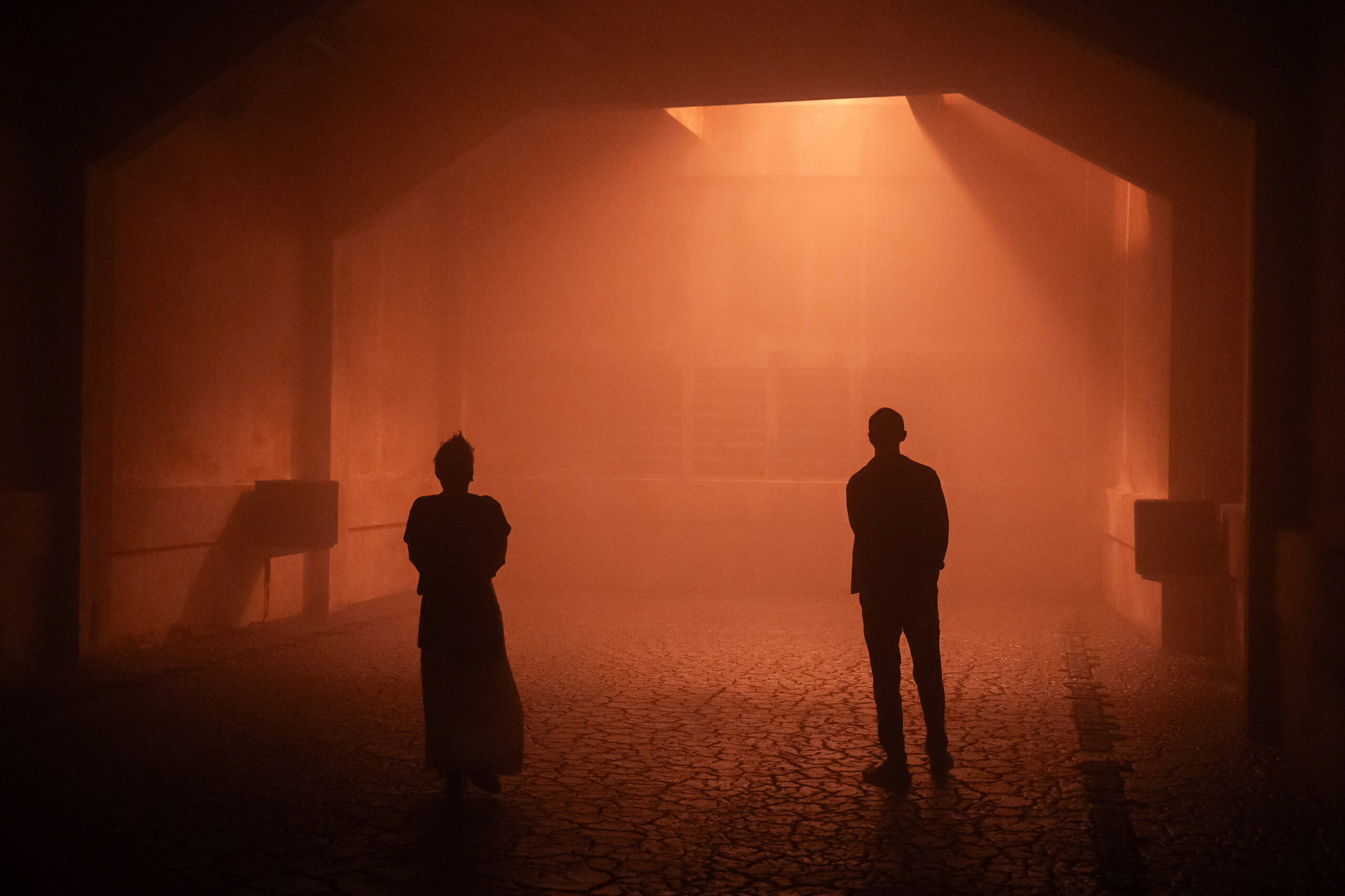
Korakrit Arunanondchai – nostalgia for unity – Courtesy of Khao Yai Art
One of the project’s most distinctive dimensions lies in its collaboration with Buddhist monks from the forest tradition. Living in direct relationship with the landscape, the monks regard it not as a backdrop but as a teacher. Their presence introduces an ethical and spiritual framework that Rabolli Pansera sees as inseparable from the work itself. “Artists here are not simply producing visual objects,” he says. “They are engaging with centuries-old systems of thought and ways of living.” The result is a rare convergence of art, ecology and spirituality, grounded in Thai cultural logic rather than imported theory.
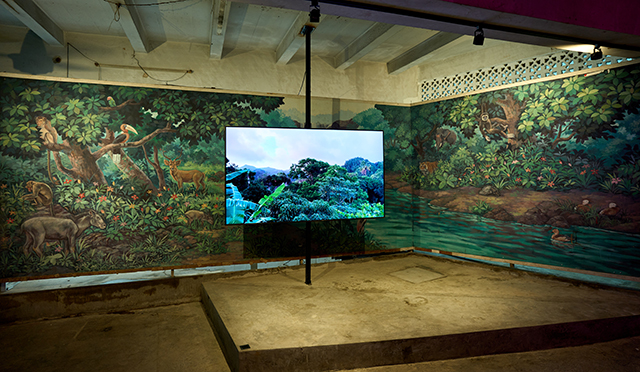
Michel Auder – Nine Plus Five Works – Courtesy of Khao Yai Art
For Rabolli Pansera, this resistance to ready-made models extends to Bangkok’s broader ambitions on the international stage. Thailand, he argues, does not need to rely on established Western notions of what an “art centre” should look like. “Cities like New York, London and Hong Kong all have valuable ecosystems,” he says. “But those structures do not necessarily align with Bangkok’s cultural, social or spiritual context.” Over-identification with such models risks flattening the city’s specificity, turning it into “just another place that hosts exhibitions, rather than one that generates its own artistic language.”
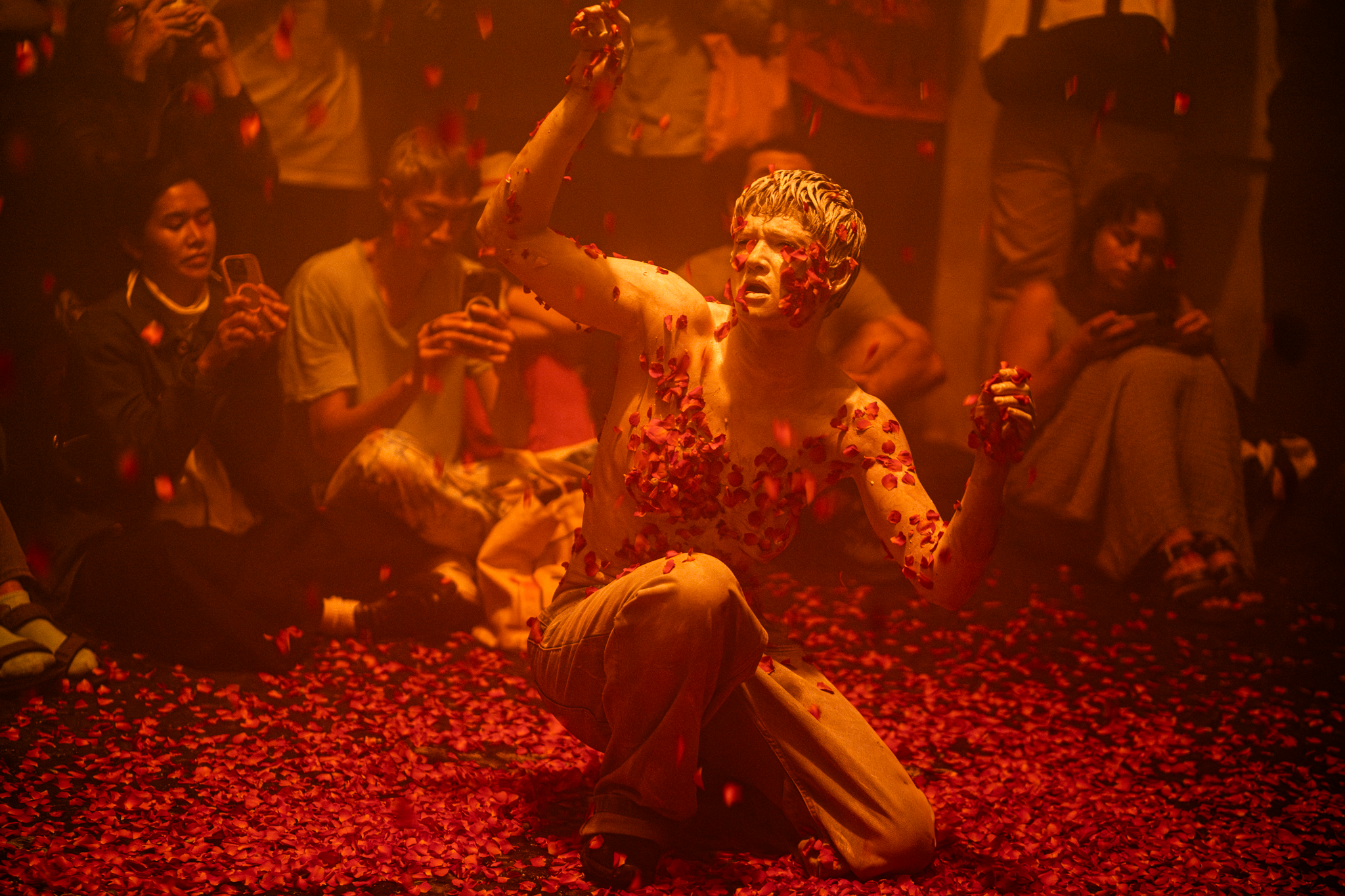
Tosh Basco – From dust to dust – Photo by Puttisin Choojesroom – Courtesy Khao Yai Art
What is needed instead is confidence in local complexity. Rabolli Pansera suggests it may be time to rethink the idea of a “world-class art destination” altogether. Rather than treating the West as the primary reference point, places such as Bangkok can draw strength from their own cultural textures, shaped by spirituality, improvisation and storytelling. Strengthening networks across Southeast Asia, he adds, will be crucial, allowing Bangkok to evolve not only as a destination for art tourism, but as a regional connector with its own gravity.
In my view, Bangkok’s real potential lies not in becoming the “next art centre” or filling a vacant slot on the global art map, but in its capacity to resist absorption into a single evaluative framework and, in doing so, to cultivate a sense of place and cultural depth that cannot be replicated elsewhere.