





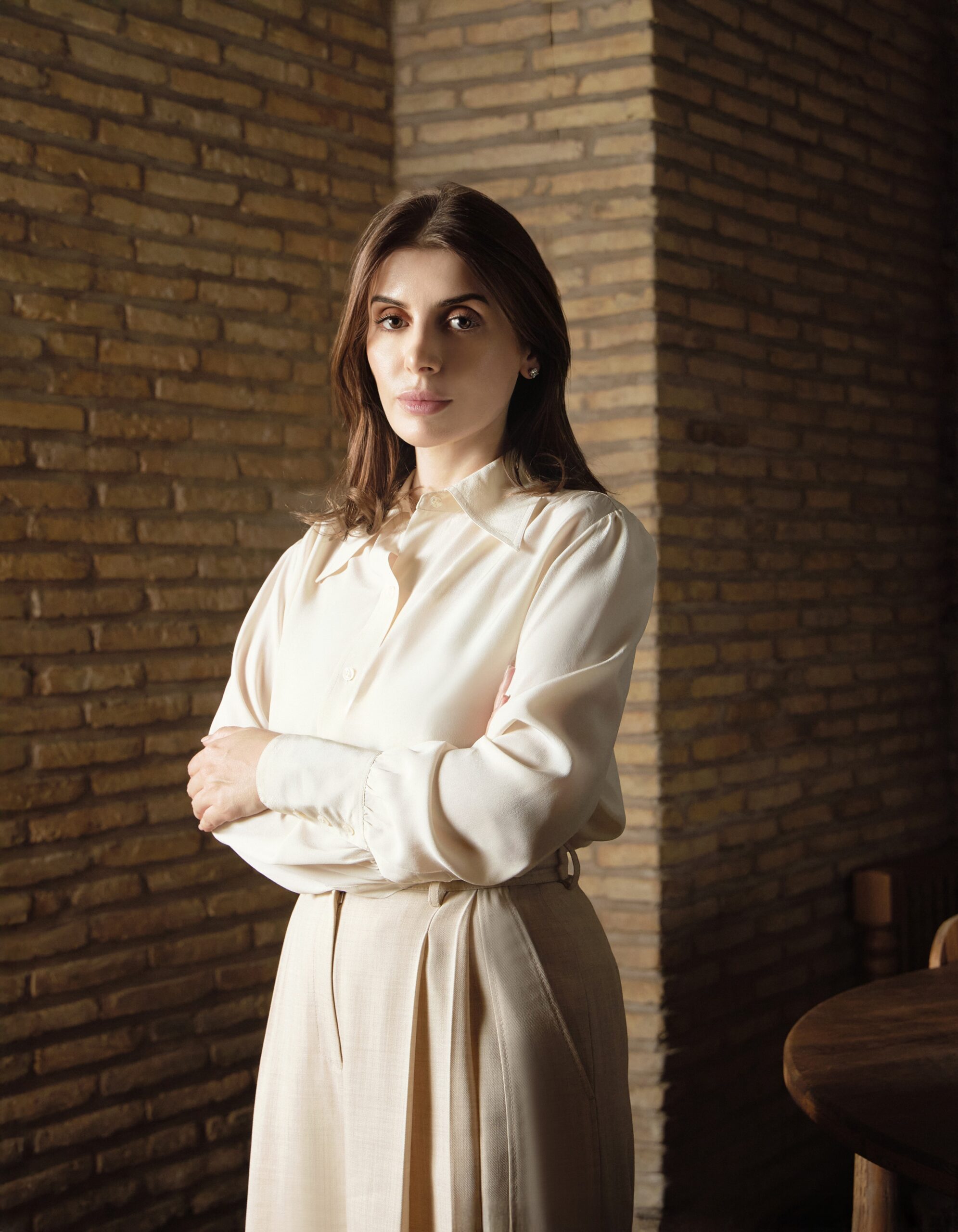
GayaneUmerova. Courtesy Of Uzbekistan Art and Culture Development Foundation
“The world is looking for new centres of gravity, new conversations, new places where something genuinely unexpected can happen.”
Gayane Umerova, Chairperson of the Uzbekistan Art and Culture Development Foundation
Over the past year, while following major international art events and observing how different countries seek to project cultural influence, I found myself returning repeatedly to one country. From the Venice Biennale to Milan Design Week, Uzbekistan’s cultural initiatives consistently drew the attention of curators, museum directors and other influential figures across the international arts sector. Long positioned at the heart of the Silk Road, the Central Asian nation is using culture to reposition itself within the global cultural landscape.
Since President Shavkat Mirziyoyev came to power in 2016, Uzbekistan has undergone a series of far-reaching reforms. Alongside efforts to improve the business environment, attract foreign investment and strengthen international ties, the country has steadily opened itself to the outside world. Tourism campaigns and an increasingly sophisticated social media presence have introduced a younger global audience to the history and identity of this former Silk Road crossroads.
Tourism may broaden a country’s appeal, but cultural influence is cultivated differently. It depends on sustained investment in institutions, professional expertise and international networks, rather than one-way cultural export. Unlike many developing countries, where cultural infrastructure has been driven by private collectors, corporate foundations or philanthropic initiatives, Uzbekistan’s cultural strategy has been led largely by the state.
At the centre of that strategy is the Uzbekistan Art and Culture Development Foundation (ACDF), established in 2017. Its chairperson, Gayane Umerova, who also serves as Head of Creative Economy and Tourism Development, has emerged as one of the principal architects of the country’s cultural ambitions. At forty, she has overseen a remarkably broad programme of initiatives spanning museum development, international exhibitions, education and cultural diplomacy.
Among them are the Centre for Contemporary Art Tashkent (CCA Tashkent), due to open this September; the new State Museum of Arts of Uzbekistan, designed by Tadao Ando; the Bukhara Biennial; the Aral Cultural Summit; Uzbekistan’s National Pavilion at the Venice Biennale; the Milan Design Week exhibition When Apricots Blossom; and the country’s participation at Expo 2025 Osaka. Collectively, these projects reveal a comprehensive approach to nation-building through culture.
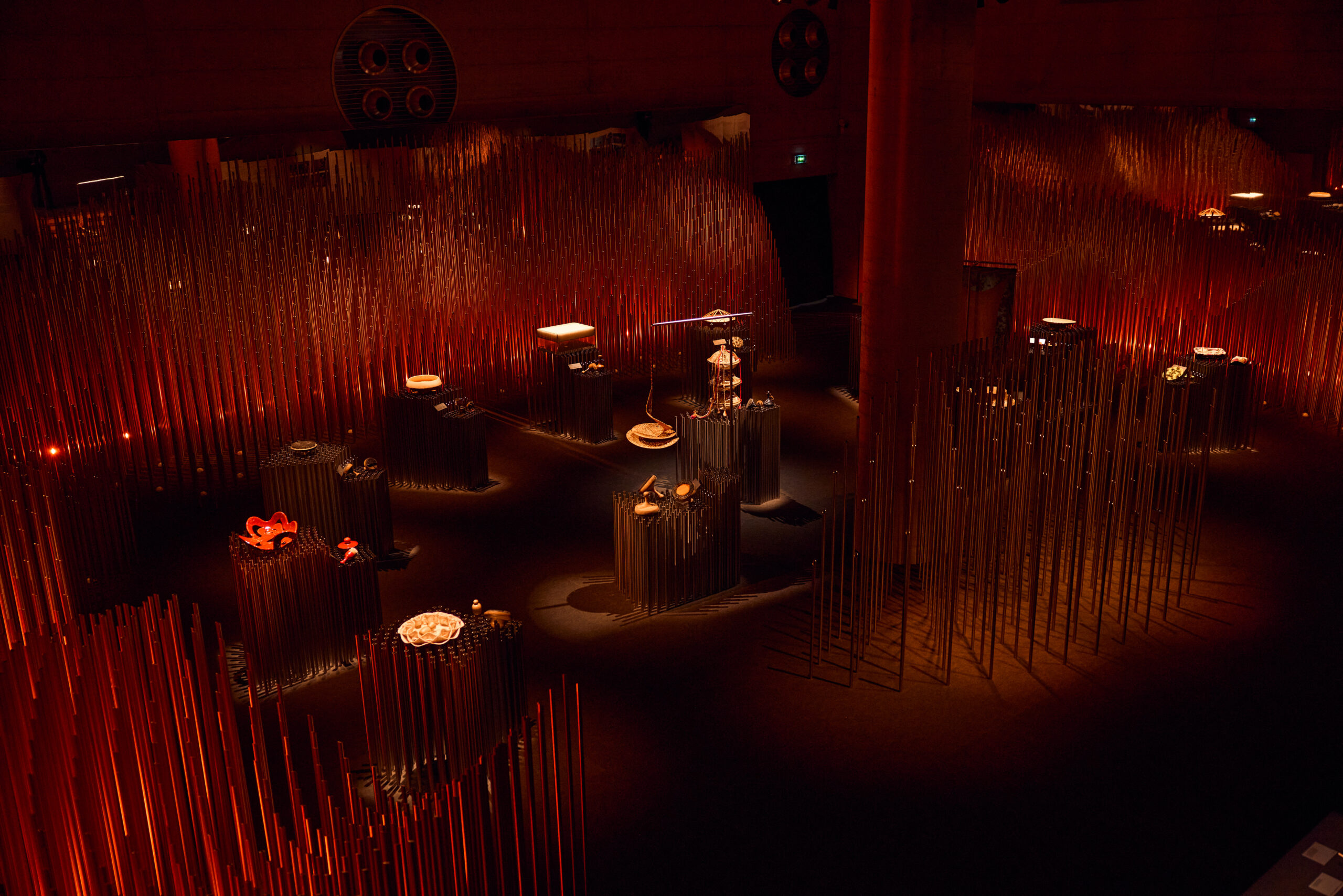
When Apricots Blossom, Commisioned by ACDF – Palazzo Citterio, MDW 2026. Image Credit ACDF
Across two conversations with Umerova, in Paris and Tashkent, a consistent philosophy underpinned every discussion. Whether discussing domestic cultural infrastructure or Uzbekistan’s growing international presence, the Foundation’s work rests on three closely connected principles: transnational collaboration and co-creation, investment in the next generation, and a clear understanding of how cultural influence is generated through international institutional networks.
In practice, collaboration extends well beyond commissioning internationally recognised architects or partnering with overseas institutions. Rather than importing expertise, the Foundation seeks to embed architects, curators, researchers and artists from around the world within Uzbekistan’s own cultural ecosystem through long-term partnerships. The objective is not only to deliver ambitious cultural projects, but to cultivate future generations of practitioners capable of shaping the country’s cultural landscape themselves.
That approach is evident in CCA Tashkent, Uzbekistan’s first contemporary art centre, which opens this September. Alongside the restoration of the building by the Paris-based architecture practice Studio KO, ACDF has partnered with London’s Architectural Association to establish a three-year Visiting School programme. Bringing together students of architecture and urbanism, emerging architects, spatial researchers, artists and curators, the programme uses Uzbekistan’s architectural heritage, urban fabric and rapidly changing built environment as the basis for field research. By combining international educational resources with locally grounded knowledge production, it aims to nurture a new generation of Uzbek architects, researchers and cultural practitioners.
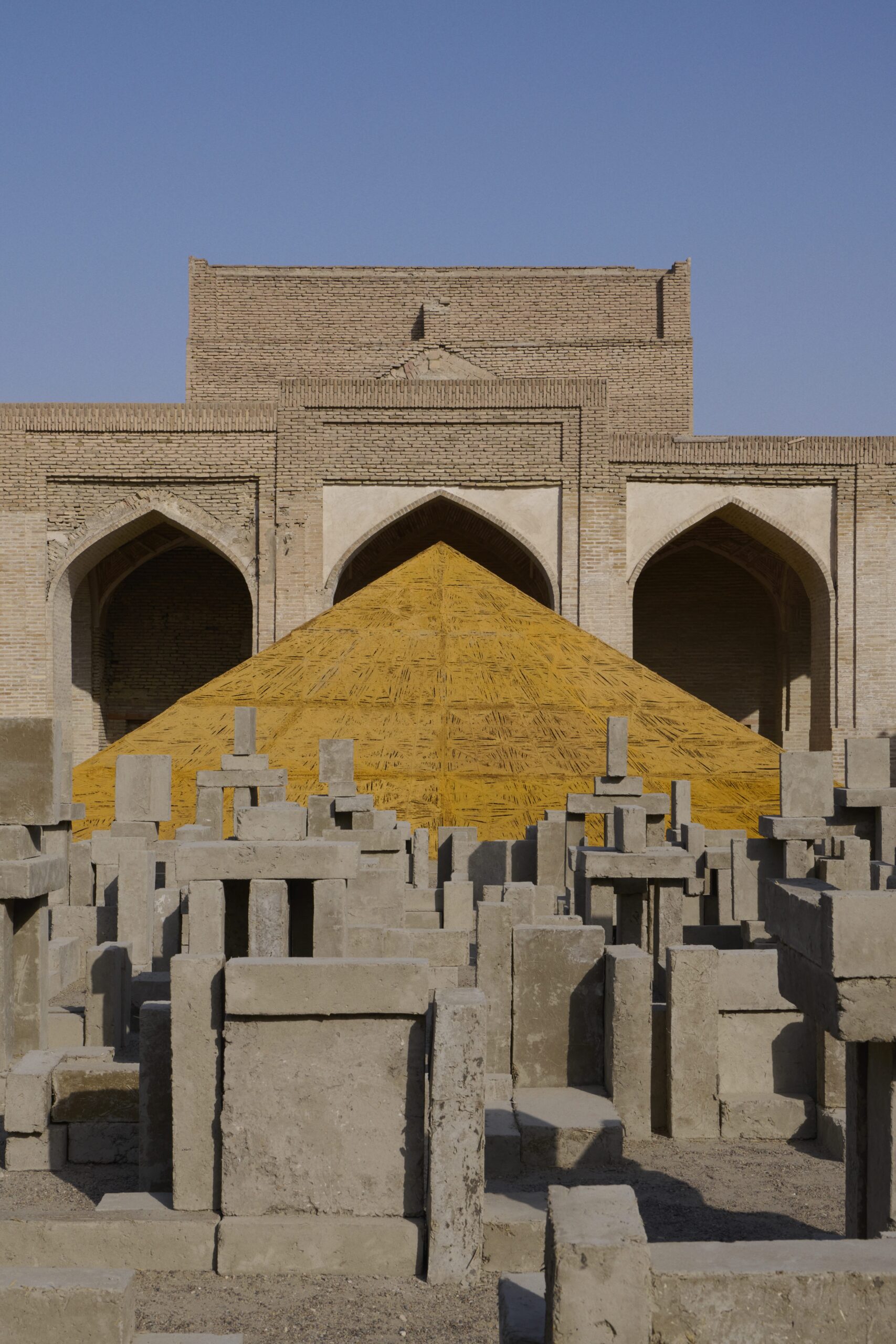
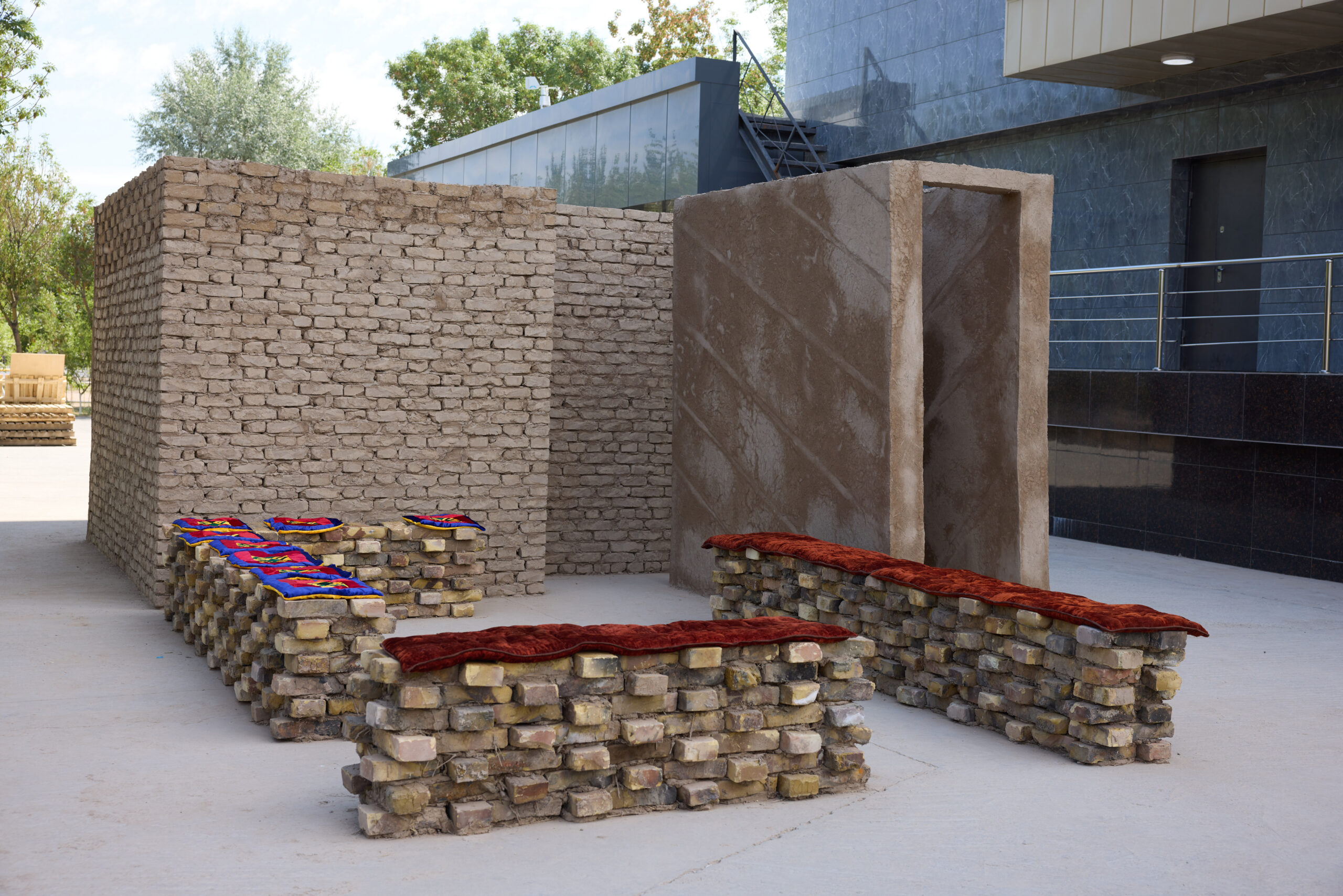
Antony Gormley, Close, 2025, made in collaboration with Temur Jumaev and others for the Bukhara Biennial 2025. Photo:Blu Selby
The same philosophy underpins the Bukhara Biennial. Whereas many international biennials invite artists to exhibit works produced elsewhere, Bukhara encourages participants to develop new commissions in collaboration with Uzbek craftspeople, making the city not merely a venue for exhibiting contemporary art, but a place where cultural production itself takes place. British sculptor Antony Gormley’s commission Close, for example, was realised with local artisans using traditional mud-brick techniques within one of Bukhara’s historic sites. Rather than placing contemporary art alongside local heritage, the project creates a genuine dialogue between international artistic practice and Uzbek craft traditions, allowing new forms of knowledge and making to emerge through collaboration.
According to ACDF, the inaugural Bukhara Biennial attracted almost 1.8mn visitors during its ten-week run.
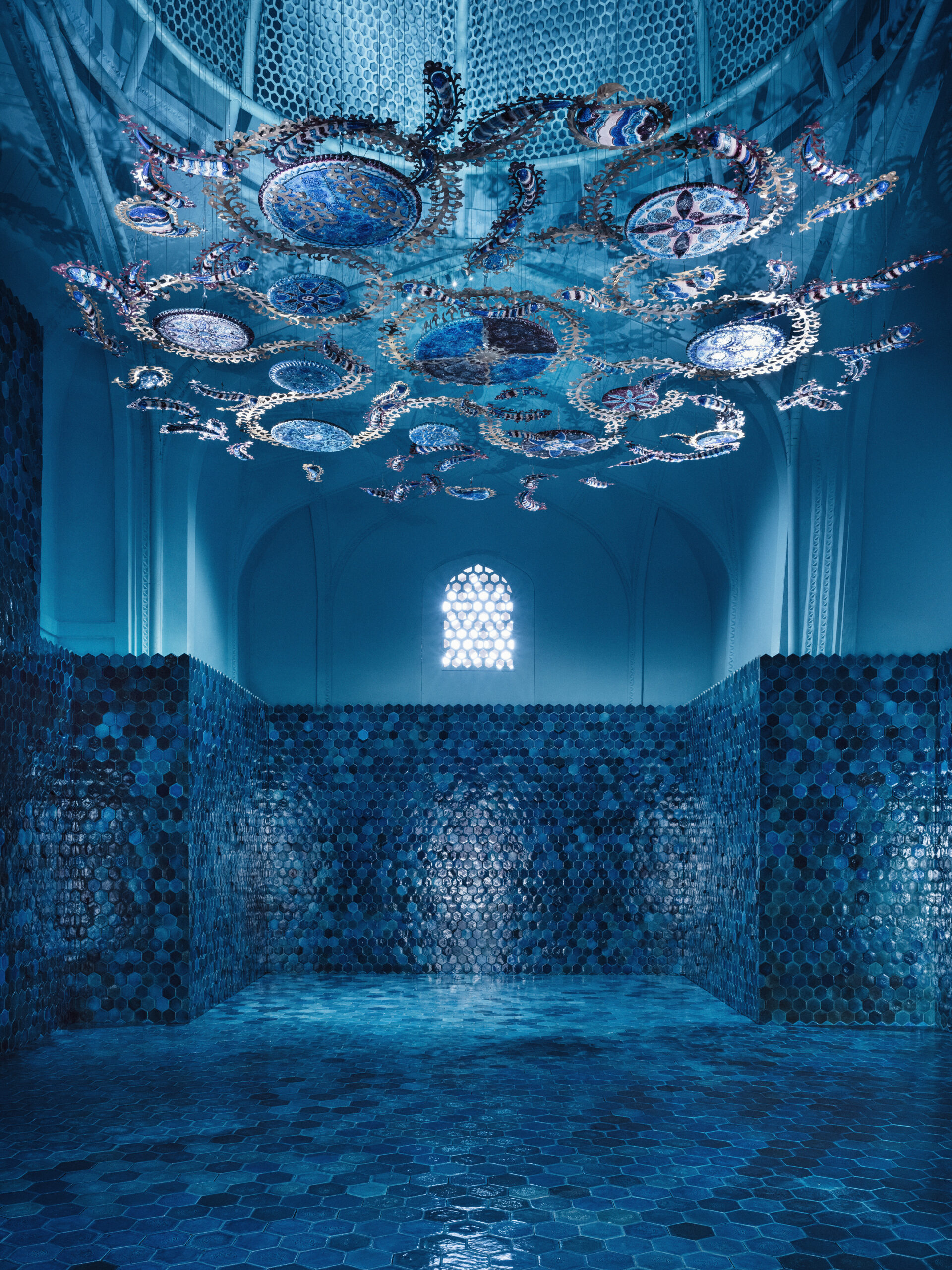
Blue Room, 2024–2025, Abdulvahid Bukhoriy in collaboration with Jurabek Siddikov for the Bukhara Biennial 2025. Photo:Blu Selby
That model will be developed further in the 2027 edition. Under the artistic direction of architect Kulapat Yantrasast, whose recent projects include Dib Bangkok, the National Museum of India and the Rockefeller Wing at New York’s Metropolitan Museum of Art, the biennial will once again bring international artists together with Uzbek craftspeople to develop new commissions across the city’s historic fabric. Installed in caravanserais, madrasas, archaeological sites and public spaces, the works will respond directly to Bukhara’s history and urban environment. Artists will also collaborate with researchers and practitioners working across ecology, history, economics and culture, positioning artistic production within a broader process of interdisciplinary knowledge-making.
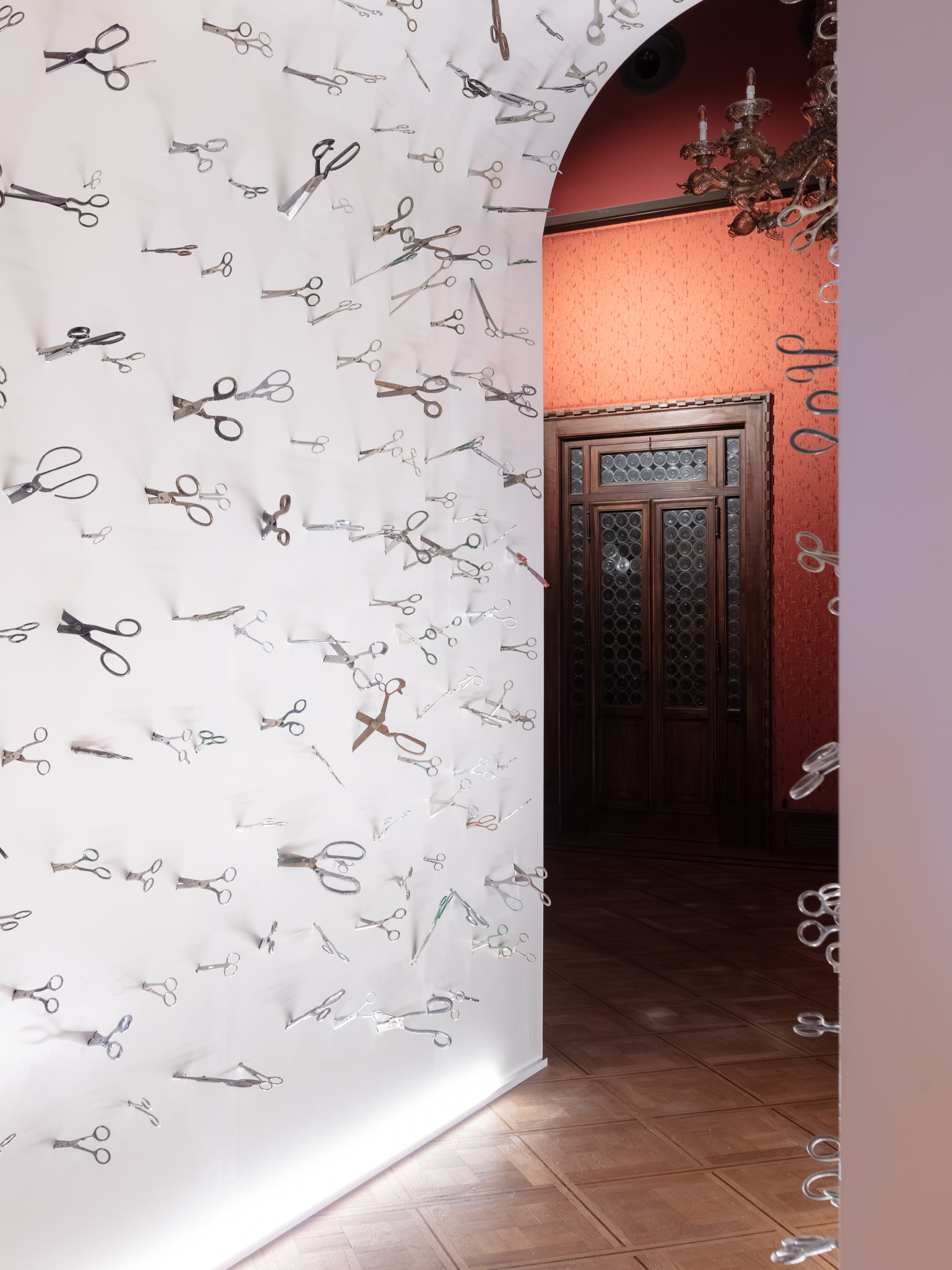
(Detail) Triumphal Arch (1979/2026) by Vyacheslav Akhunov, installation view at Palazzo Franchetti.
Courtesy of Uzbekistan Art and Culture Development Foundation (ACDF).
Investment in the next generation forms the second pillar of the Foundation’s strategy. Developed in partnership with London’s Delfina Foundation, the Bukhara Curatorial School lies at the heart of that commitment. Rather than functioning as a conventional curatorial training programme for local participants, it brings together curators under the age of thirty from Uzbekistan and across Asia to undertake collaborative research and develop exhibitions collectively. The results are subsequently presented through Uzbekistan’s National Pavilion at the Venice Biennale.
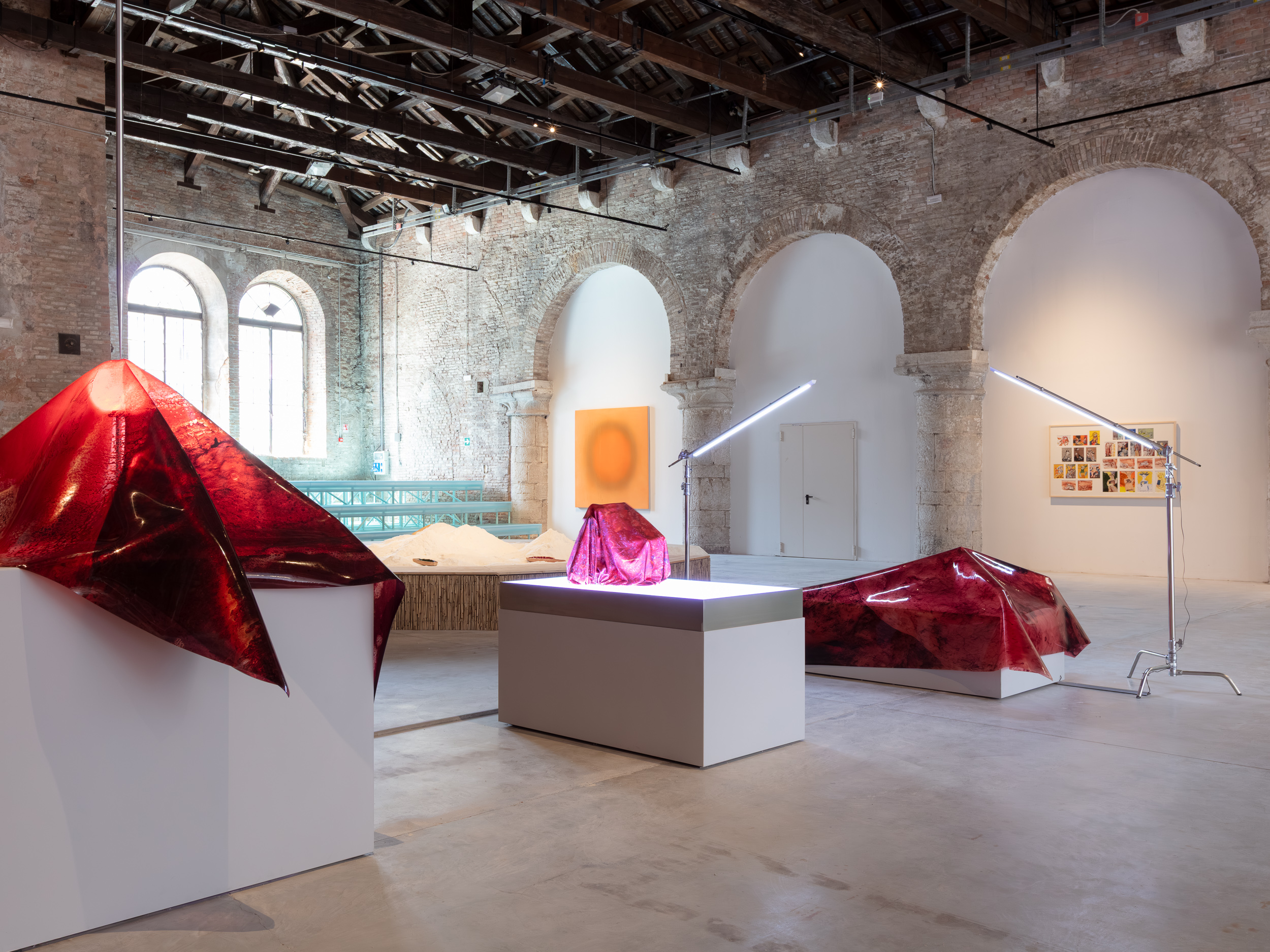
Nguyen Phuong Linh, Qi, 2026. Installation view, The Aural Sea, Uzbekistan National Pavilion, 61st International Art Exhibition – La Biennale di Venezia, 2026. Photograph: Gerda Studio. Courtesy of the Uzbekistan Art and Culture Development Foundation.
This year’s pavilion offered a compelling example of that approach. Curated by six participants from the Bukhara Curatorial School, it brought together works by artists from Uzbekistan and across Asia. The novelty of the format attracted considerable attention from both the international press and the wider art world.
At first glance, the pavilion’s exhibition, The Aral Sea, addresses the environmental crisis facing one of Central Asia’s most fragile regions. Yet the exhibition forms part of a much broader constellation of initiatives developed by the Foundation. Through the Aral Cultural Summit, artists, academics and policymakers are brought together to examine the region’s environmental challenges, while the Aral School extends those conversations through interdisciplinary research and knowledge production. Rather than presenting these initiatives as separate programmes, ACDF uses the Venice Biennale to connect them, transforming what might otherwise remain a regional environmental issue into a broader conversation about ecology, memory, community and the future.
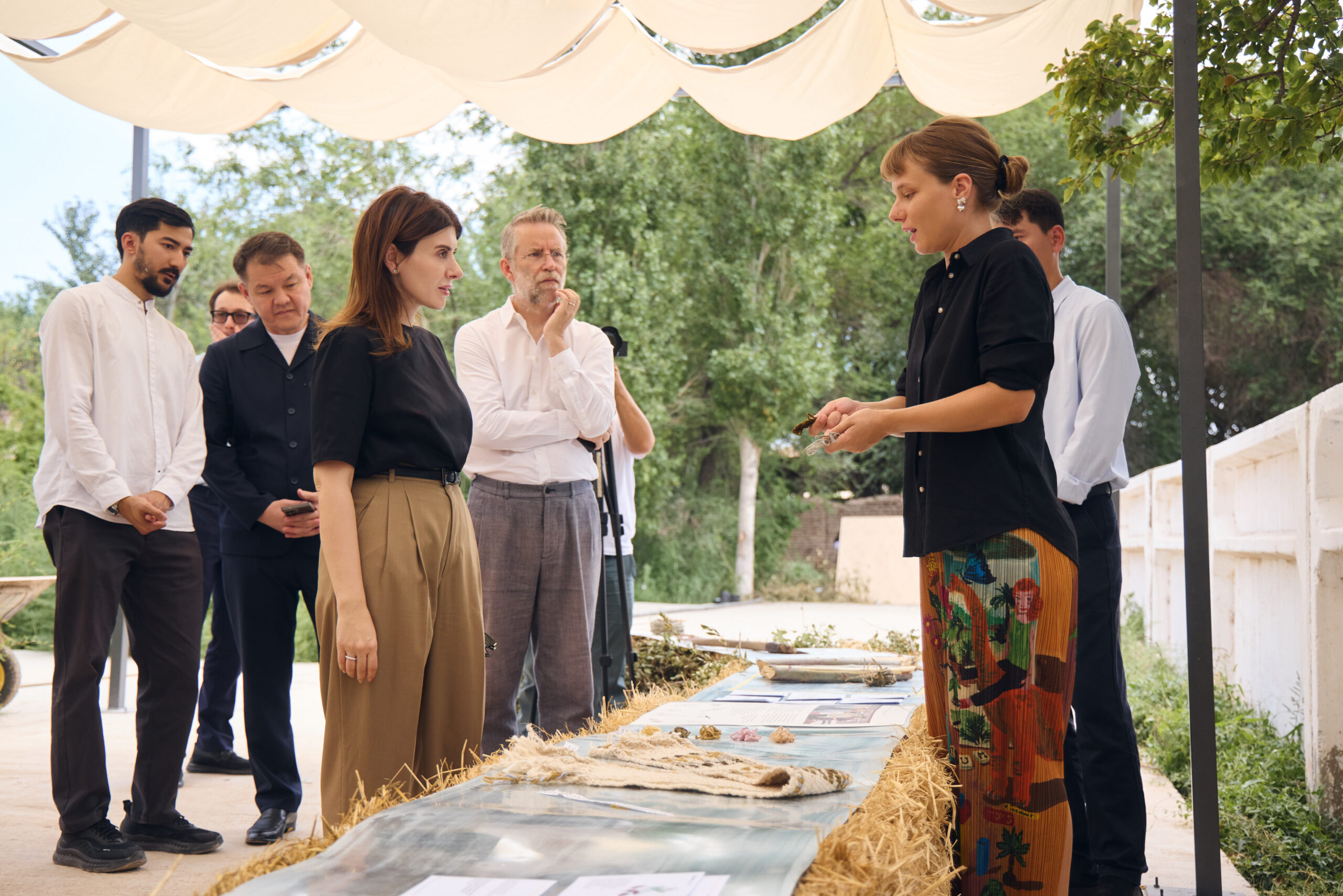
Gayane Umerova, Chairperson of ACDF with Programme Director Jan Boelen viewed the Aral School participants’ projects at Aralasiw_ Festival of Ideas. Photo courtesy of ACDF. All rights reserved
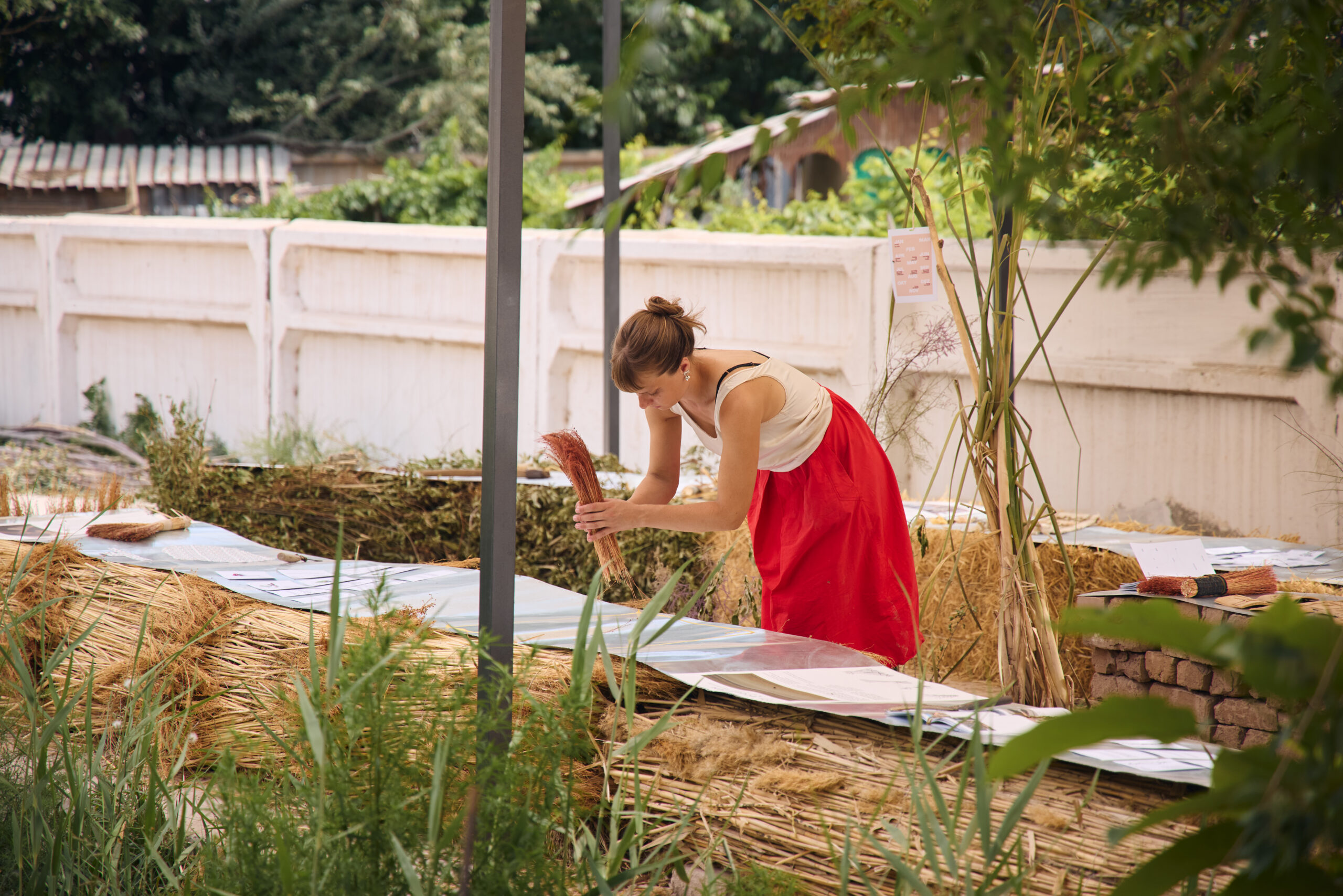
Aral School Participant at Aralasiw_ Festival of Ideas. Photo courtesy of ACDF. All rights reserved
The result is a distinctive model of long-term cultural development that brings together education, research, artistic production and international visibility within a single institutional framework.
Reflecting on the Foundation’s commitment to openness and long-term investment, Umerova points out that Uzbekistan is one of the world’s youngest countries, with around 60 per cent of its population under the age of thirty. For that reason, she argues, building lasting cultural infrastructure while creating opportunities both within Uzbekistan and internationally is essential.
Umerova traces this commitment back to her own experience.
“When I was a girl, my mother took me every week to the State Museum of Arts. That museum taught me that culture was not decoration, it was how a society understands itself and imagines what it might become. I want every child in Uzbekistan to have that feeling. And I think, slowly, we are making it possible.”
Shopker Jay, Presented by Aral School at Aralasiw_ Festival of Ideas_ Photo courtesy of ACDF. All rights reserved
Beyond its domestic initiatives, the Foundation applies the same principles to its international programme. Under Umerova’s leadership, its work is consistently framed around the idea of international collaboration. For her, collaboration is not a matter of cultural export or institutional exchange alone, but what she describes as a “genuine exchange” of ideas. Rather than treating cultural diplomacy as a transactional exercise, the Foundation seeks to foster relationships that continue to generate new knowledge, new partnerships and new forms of cultural production over time.
This reflects a broader understanding of how cultural influence is established today. In contrast to the logic of social media, where visibility is measured through audience size and viral reach, influence within the worlds of art, design and cultural institutions tends to emerge first through relatively small professional networks. Curators, museum directors, collectors, architects and foundation leaders shape conversations that are then amplified through exhibitions, publications, educational programmes and, ultimately, the wider media.
Umerova is well placed to understand these dynamics. Having studied at Central Saint Martins and Sotheby’s Institute of Art in London before working within the city’s art world, she is familiar with the institutions, platforms and professional relationships that underpin the international cultural ecosystem. That understanding is evident in the strategic decisions ACDF has made, not least in presenting Uzbekistan at Milan Design Week through the exhibition When Apricots Blossom.
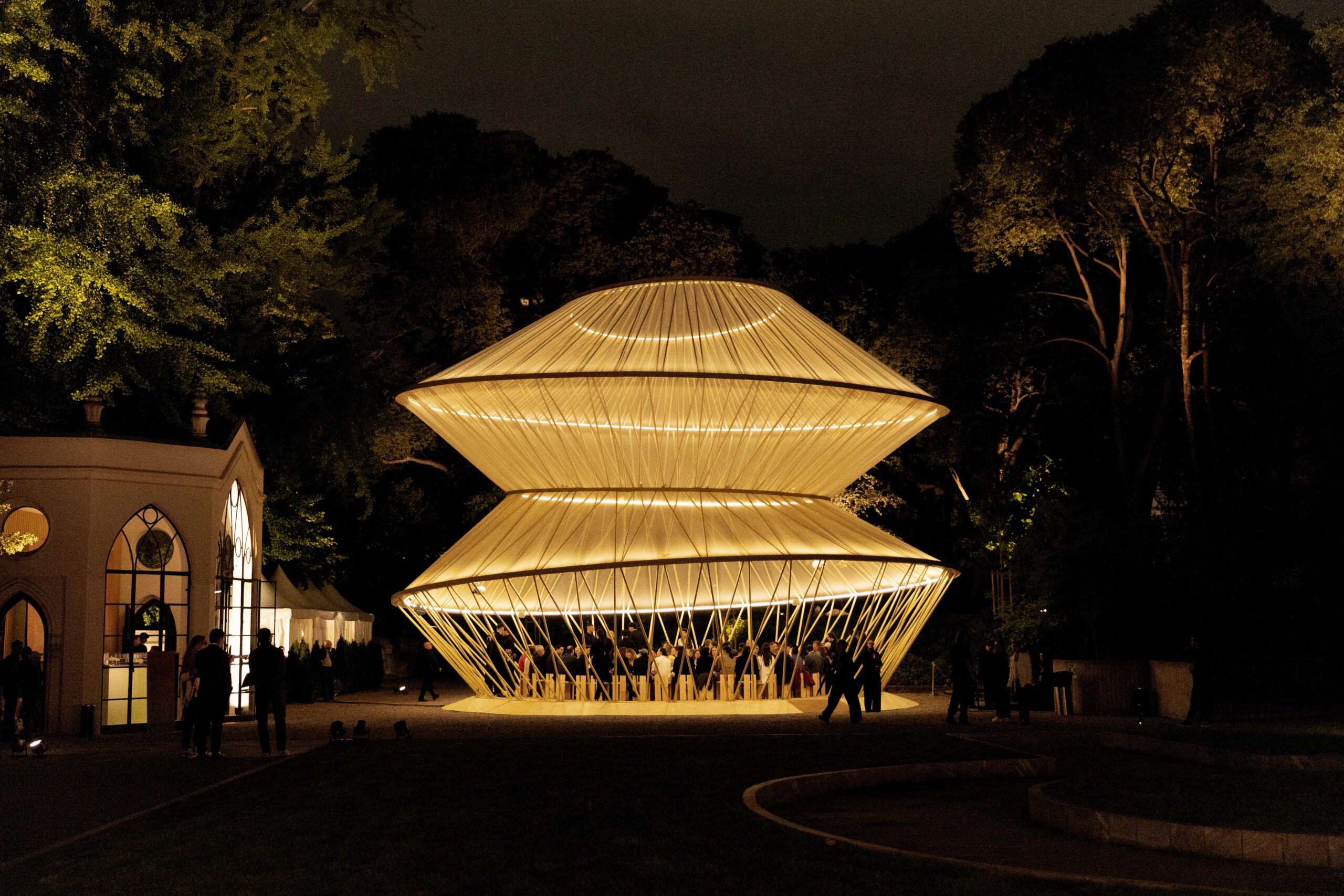
Night view – The Garden Pavilion – A deconstructed yurt, created by Kulapat Yantrasast, commissioned by ACDF – MDW 2026. Image Credit ACDF
In recent years, Milan has evolved into something considerably broader than a design fair. As Italy’s tax reforms have helped attract increasing numbers of high-net-worth individuals to the city, the boundaries between design, contemporary art, luxury and lifestyle have become increasingly fluid. Milan Design Week has become one of the world’s most influential cultural platforms, bringing together an international community whose reach extends well beyond the design sector itself.
The exhibition was curated by Kulapat Yantrasast, who will also serve as Artistic Director of the 2027 Bukhara Biennial. As an architect whose practice spans major museums and cultural institutions, Yantrasast brings not only curatorial expertise but also an extensive international network. His appointment reflects the Foundation’s understanding that cultural partnerships are valuable not only for the projects they produce, but also for the institutional relationships they cultivate.
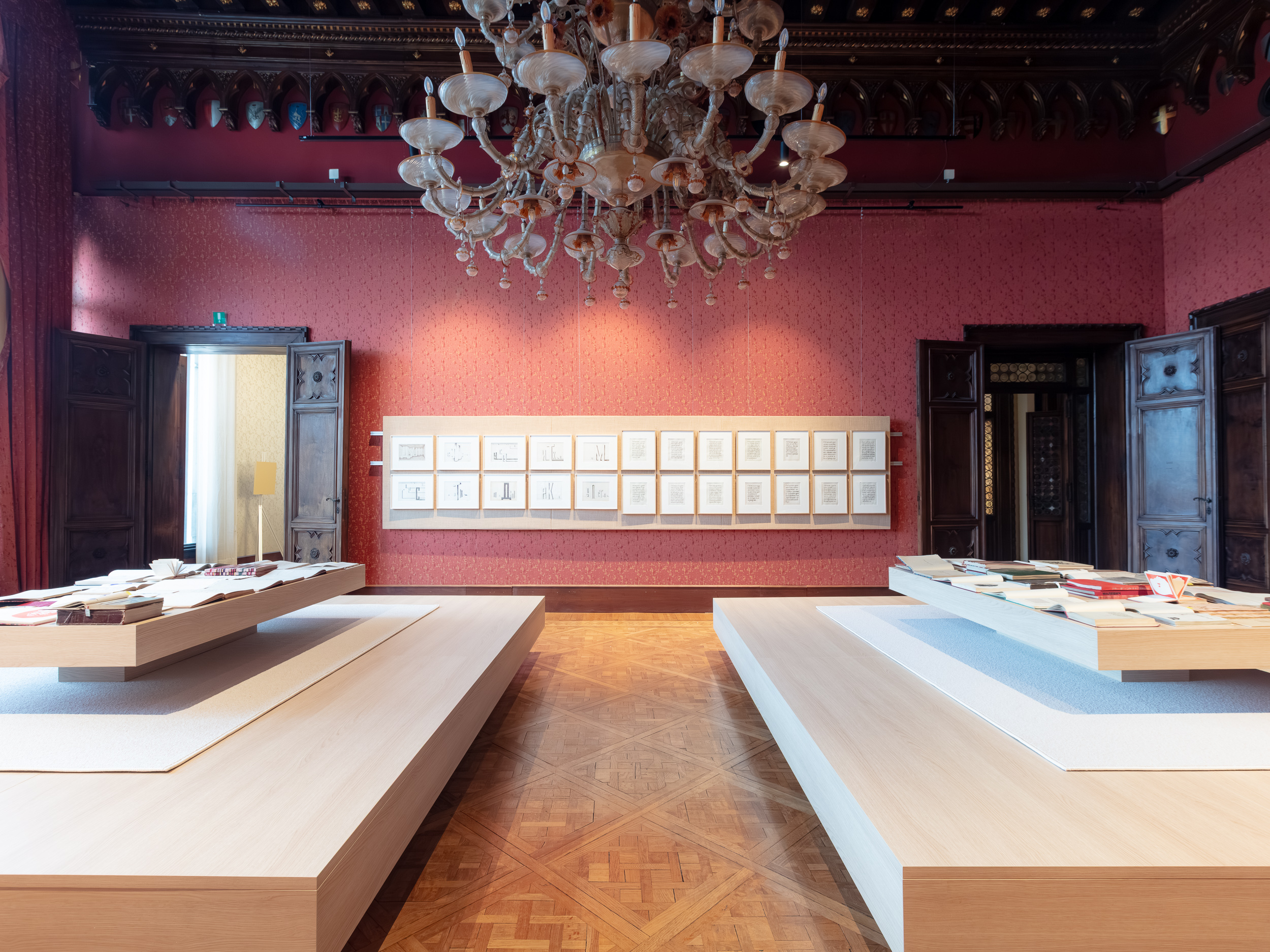
Library by Vyacheslav Akhunov. Courtesy of Uzbekistan Art and Culture Development Foundation (ACDF).
Collectively, these initiatives point to a broader shift in the practice of cultural diplomacy. In an era shaped by global networks and digital communication, cultural influence no longer depends solely on state-led promotion. Instead, it increasingly develops through sustained partnerships, institutional relationships and the circulation of ideas across disciplines and borders. Curators, architects, collectors and cultural entrepreneurs have become influential intermediaries, connecting institutions, audiences and ideas across an increasingly interconnected cultural landscape.
If there is a defining characteristic of the Foundation’s approach, it is an understanding that cultural influence cannot be manufactured through visibility alone. It is built over time through institutions, long-term investment and enduring relationships. In that sense, Uzbekistan’s strategy is less about projecting culture abroad than creating the conditions in which exchange can take place.
For Umerova, however, this is less a new model than a continuation of a much longer historical tradition.
“People sometimes frame what we’re doing as ‘new,’ I see it as a continuation of a creativity and dialogue that has always existed in Uzbekistan. The Silk Road was never just a trading route – it was the movement of ideas, techniques, craft, imagination across cultures. That spirit never left us. The world is looking for new centres of gravity, new conversations, new places where something genuinely unexpected can happen.”